
There's a quiet trap a lot of new entrepreneurs fall into. The business is off the ground, the Instagram is active, DMs are coming in, a few sales have closed. And the thinking goes: I'll build a website when I have the budget, when things are more established, when I know what I'm doing.
There's a quiet trap a lot of new entrepreneurs fall into. The business is off the ground, the Instagram is active, DMs are coming in, a few sales have closed. And the thinking goes: I'll build a website when I have the budget, when things are more established, when I know what I'm doing.
Here's the honest truth. By the time you feel ready for a website, you've already lost months of compounding momentum, a meaningful chunk of trust with the clients who searched for you and couldn't find you, and a pile of revenue that went to competitors who looked more credible on Google.
A website is not something you earn your way up to. It's the foundation you build everything else on top of. If you're running a small business in 2026 without one, this post is the case for fixing that now, not later.

The numbers tell a clearer story than most entrepreneurs realize
Let's ground this in data before we get into strategy. 53% of mobile users abandon a website that takes more than 3 seconds to load. That's before anyone reads a word of your copy. 94% of first impressions are design-related, and 75% of consumers judge a business's credibility based on website design. Not product quality. Not reviews. Design.
Now factor in what's happening to businesses without a site at all. 35% of small businesses feel they are too small to need a website, and they assume their social presence is covering the gap. It isn't. 4% average organic reach for a Facebook business post means 96% of your followers never see what you post. 0% ownership of your social media audience means if Meta shuts your account down tomorrow, you've lost every customer relationship you built.
A website flips that math. You own it. Google indexes it. Visitors find it whether they follow you or not. And it works at 3am, on a Sunday, while you sleep.
The credibility gap between a handle and a domain
Picture two service providers. One has 8,000 Instagram followers and a Linktree. The other has 800 followers and a proper website at their own domain with case studies, clear pricing guidance, and a way to book a call.
Which one would you hire for a $5,000 project?
The follower count doesn't win that comparison. The domain does. Owning yourbusiness.com tells a potential client three things instantly: you're serious enough to invest in your own infrastructure, you're not going to disappear when a platform changes its rules, and you have thought through how someone hires you beyond "DM me for rates."
This is especially true in service businesses. Branding studios, consultants, legal support, coaches, marketing agencies. The moment the project value crosses a few thousand dollars, buyers want to vet you properly. They want to read, click, research, and decide on their own time. Social media doesn't let them do that. A website does.
What your website actually needs to do
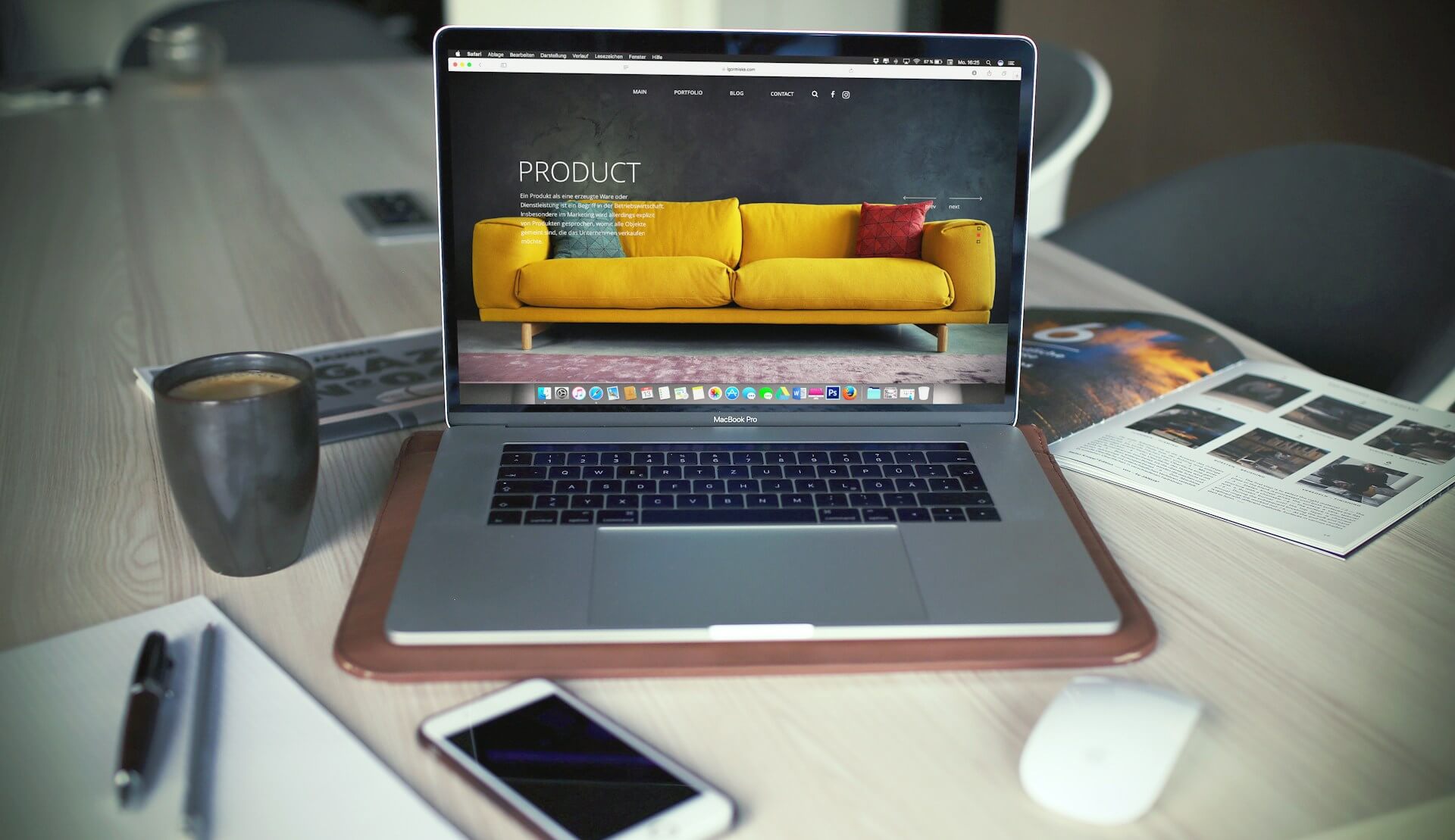
Most small business websites fail at one of three things: they don't convert, they don't get found, or they don't build trust. Let's break down what yours needs to handle to avoid that.
Load fast on mobile. Over 60% of traffic to a small business site comes from phones. If your site takes 5 seconds to load, more than half of those visitors leave. A well-built site in 2026 should load in under 2 seconds on mobile, full stop.
Answer the question "what do you do" in under 5 seconds. Visitors don't read, they scan. Your hero section needs a clear statement of who you help and how, not a vague tagline about your passion.
Show proof. Testimonials, case studies, client logos, recognizable results. About 90% of buyers value brand loyalty when deciding what to buy, and that loyalty is earned with evidence, not adjectives.
Make it obvious how to take the next step. One primary call to action per page. Book a call, request a quote, download the guide, whatever fits your model. No guessing, no maze of options.
Be searchable. On-page SEO, clean meta tags, structured content, clear service pages that target what your clients are actually typing into Google. Without this, your site exists but nobody finds it.
But I don't have the budget
This is the most common objection, and it's almost always based on outdated numbers. Let's look at what small businesses are actually spending.
66% of small businesses spend less than $10,000 on website design, building, and launch. That range is broad on purpose. A starter site for a service business can be launched for under $3,000 if the scope is focused. A more complete site with strategy, copy, and a proper sales flow typically lands between $5,000 and $15,000. Enterprise sites with custom development run higher, but almost no small business needs that at year one.
The comparison that matters isn't site cost versus zero. It's site cost versus the revenue you're leaving on the table without one. If your average client is worth $2,000 and a website brings in one additional client per month, a $5,000 investment pays for itself in 10 weeks and keeps earning for years. Content you publish on your site today can bring in search traffic in 2028. Instagram posts have a 48-hour shelf life, if that.
The starter site that actually works for new businesses
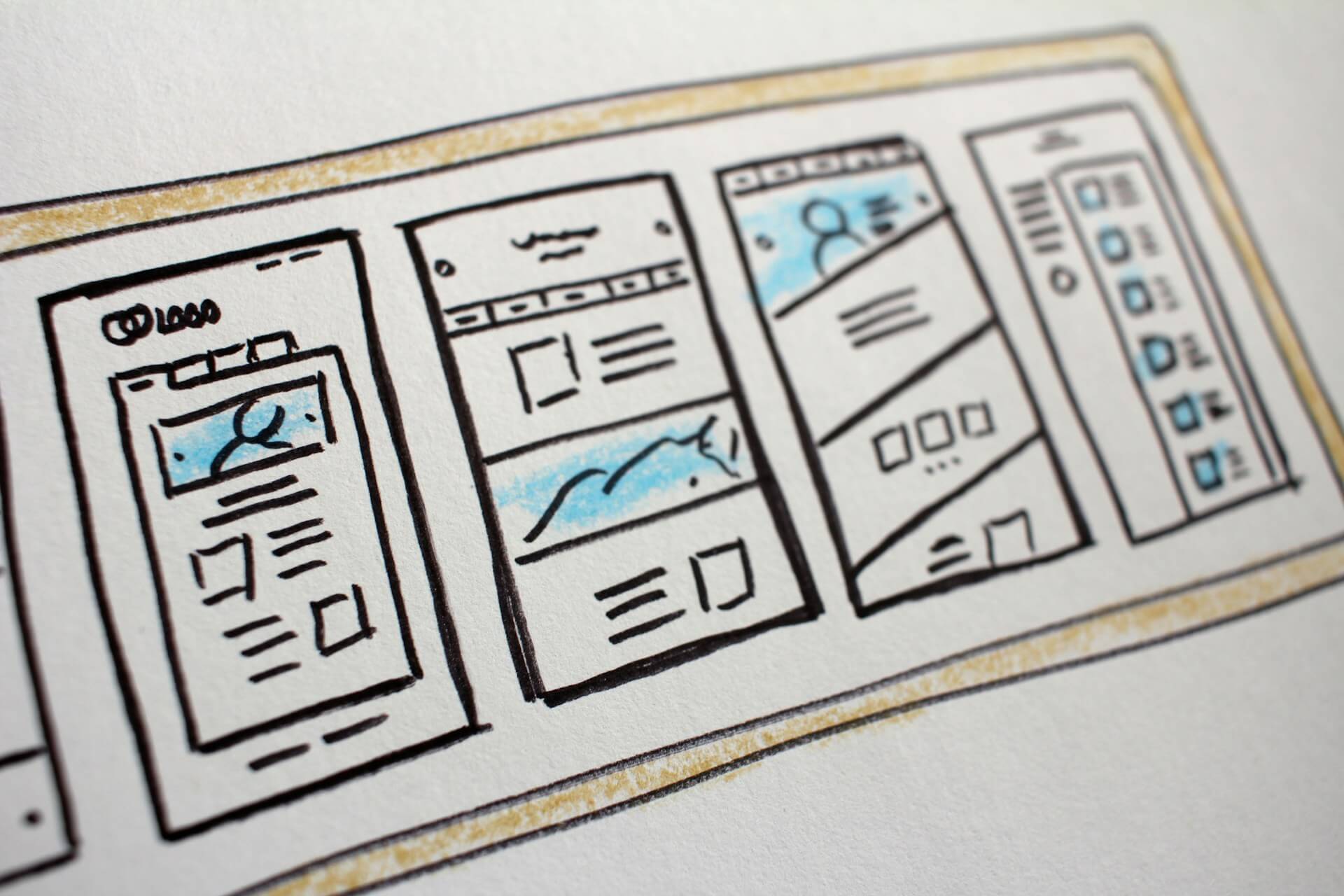
If budget is the real constraint, start lean. A focused starter site doesn't need 12 pages. It needs five that do their job:
- A home page that explains who you help and how, with one strong call to action
- An about page that builds trust through specifics, not generalities
- A services or work page that shows what you do and what it costs (even just ranges)
- A contact page with a real method to reach you, ideally a booking link
- A portfolio or case studies page that proves you can deliver
That's it. That's a complete small business website. Everything else is optional and can be added later once you have traffic data telling you what people actually want.
Why 2026 raises the stakes
The bar for what counts as a credible online presence has moved. Three years ago, a basic site was enough. Today, the baseline is higher because AI-powered search and voice queries have changed how people find businesses.
Visitors now arrive at your site already expecting speed, clarity, and mobile-perfect design. They have compared you to three competitors before they clicked. Your site has maybe 15 seconds to justify the visit. Old-school approaches like dense paragraphs, stock photos that feel generic, and hidden pricing drive people back to the search results faster than ever.
The good news is this works in favor of small businesses that take their site seriously. 49% of small businesses plan to invest more in their website in 2026. If you build a sharp, intentional site now while most of your competitors are still dragging their feet, you get ahead of them before they catch up.
What happens when you don't have one
Let me name the specific costs most entrepreneurs don't think about.
You lose referrals. Someone recommends you to a friend. The friend Googles your business name. They find a dormant Facebook page and a TikTok with three videos. They move on. That referral was worth maybe $3,000 in lifetime revenue and it evaporated in the 20 seconds it took them to decide you looked unserious.
You lose search traffic forever. Google rewards sites that have been publishing consistently for years. Every month you don't have a site is a month of SEO authority you'll never get back. Domains that launch in 2026 won't rank the same as domains that launched in 2023, even with identical content.
You compete on price. Without a website to anchor your positioning, your rates become whatever the client is willing to guess is fair. Service providers with professional sites charge premium rates because the site does the positioning work before the sales call. Without one, you're negotiating from scratch every time.
You cap your growth. You can only handle so much through DMs, screenshots, and back-and-forth texts. A website is infrastructure. It's the thing that lets you go from a solo operator to a business that can actually scale.
Frequently asked questions
Do I really need a website if my business runs on Instagram?
Yes. Social media is rented land. You don't own your followers, the platform can change its algorithm or suspend your account, and search engines don't index your Instagram grid. A website is the only piece of digital real estate you fully own. Use both: a solid digital marketing strategy across social still matters, but a website is the foundation.
How much should a new business pay for a website in 2026?
Most small businesses get a solid starter site in the $3,000 to $8,000 range. Custom-designed sites with full branding, strategy, and copy run $8,000 to $20,000. Anything under $1,000 is usually a template with minimal customization and rarely serves a growing business for more than a year.
Can I just use a site builder like Wix or Squarespace?
Yes, and many successful small businesses do. The tradeoff is customization, speed, and SEO performance. Builder-based sites are fast to launch and cheap to maintain but often hit a ceiling when your business scales or when you need features the platform doesn't support. A custom-built site costs more upfront but grows with you.
How long does it take to build a small business website?
A focused starter site can be delivered in 2 to 4 weeks. A full custom site with strategy, copy, and design usually takes 6 to 12 weeks. Rushed builds almost always produce sites that need to be redone within the year, so the timeline matters.
What's the difference between having a website and having a good one?
A site that exists isn't the same as a site that works. A good site loads fast, converts visitors into leads, ranks for the searches your clients use, and reflects your brand at the level your business operates at. The difference between those two is often the difference between a site that pays for itself monthly and one that sits in the back of your mind as something you should probably update.
Where to start
If you're ready to stop waiting and get a site built that actually does its job, that's the work we do. Ismile Creative and Digital Solutions designs and builds websites for entrepreneurs and service businesses in Toronto and across Canada who are done with placeholder presences and want something sharp, intentional, and built to convert.
Book a free call to talk through what your business actually needs. No upsell, no pressure. Just a conversation about where you are and where a proper site could take you.
Your business is serious. Your online presence should match.
Ready for a website that actually does its job?
Book a free call to talk through what your business actually needs. No upsell, no pressure. Just a conversation about where you are and where a proper site could take you.
Book a Free Call